
Vista Local
Wall and Ceiling Painting That Looks Right
Clean, even coverage from floor to ceiling, no roller marks, no patchy spots, no second-guessing the finish.
Free estimate
Tell us what you need
Three fields. It reaches a person here, not a call centre.
Wall painting services that hold up
Painting walls and ceilings sounds straightforward until you're standing in a freshly painted room with lap marks across the accent wall and a ceiling that dried three different shades of white. Good wall painting services aren't just about color. They're about prep, the right product for the surface, and the kind of application technique that doesn't show itself in certain lighting. If you've ever repainted a room yourself and still weren't happy with it, that's usually why. Omar the Painter works on residential interiors throughout North County San Diego, and a free estimate is one call away.
What drives cost on a wall and ceiling job is almost never the paint itself. It's the condition of the surface, whether there's texture to match, old paint that's chalking or peeling, or repairs needed before a brush ever touches the wall. Room size matters, ceiling height matters, and the number of cuts (where walls meet trim, ceilings, or adjacent surfaces) adds real time. Drywall repair often comes up as part of the same job, cracks, nail pops, and old patch spots show through fresh paint if they aren't addressed first. Every job is different, contact Omar the Painter for an accurate estimate.
The Craft
What separates a good paint job from a bad one
Surface prep before anything
Walls get cleaned, sanded where needed, and any holes or cracks get filled. Skipping this is why paint bubbles or peels inside two years.
Primer when the surface calls for it
New drywall, repaired spots, and dark colors going light all need primer. Skipping it to save time is a shortcut that shows up in the finished coat.
Cutting in before rolling
The edges at ceilings, trim, and corners get brushed in first, then rolled. Doing it the other way creates overlap ridges that catch light badly.
Ceiling paint is not wall paint
Ceiling formulas are flat and splatter-resistant for a reason. Using the wrong product on a ceiling means visible roller lines and a finish that won't clean.
Two coats, not one
One coat might cover at first glance, but it thins at the edges and shows in natural light. Two proper coats is the standard for any interior worth painting.
The Process
How the process works
From the first look at your space to the final walkthrough, here's what a wall and ceiling job looks like start to finish.
- 01
Estimate and color consult
Omar looks at the space, the condition of the surfaces, and any repairs needed before giving a clear estimate. No vague ballparks.
- 02
Prep, repair, and prime
Furniture gets moved or covered. Trim and adjacent surfaces get taped. Any surface issues get addressed before the first coat goes on.
- 03
Paint, inspect, and clean up
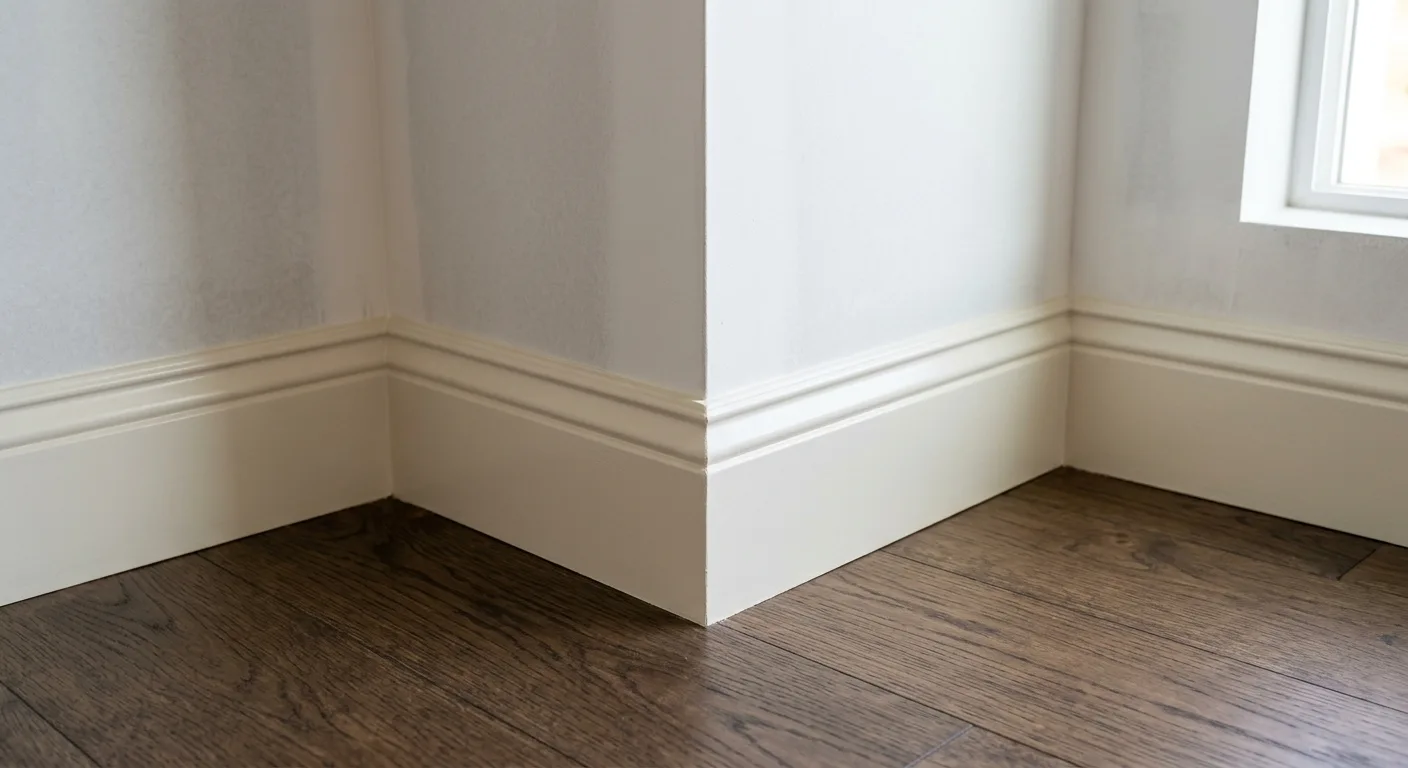
Two coats, proper dry time between them, a walkthrough when it's done, and the space left clean, no paint cans, no drop cloths, no dried drips on the baseboards.
When to call a painter instead of doing it yourself
What's Included
What's included in a standard wall and ceiling job
- 01
Furniture protection
Drop cloths over floors and plastic over anything that stays in the room.
- 02
Tape and masking
Trim, outlets, light switches, and ceiling fixtures get masked before a drop of paint is applied.
- 03
Surface repair and sanding
Minor holes, cracks, and rough spots get filled and sanded smooth. Larger drywall issues get flagged separately. See drywall repair for that.
- 04
Two finish coats
Ceilings and walls each get two coats with proper dry time. One coat is never the plan.
Common questions about wall and ceiling painting
Is painting walls and ceilings hard to do yourself?
What kind of paint finish works best on interior walls?
How long does it take to paint a room's walls and ceiling?
Do ceilings and walls have to be painted at the same time?
How do I fix lap marks left from a previous paint job?
Should walls get primed before painting over a dark color?
Get a free estimate on your wall and ceiling project
One call or text gets you a real number from Omar, not a chatbot, not a call center.